

Facing Catastrophe. Advancing Safety.

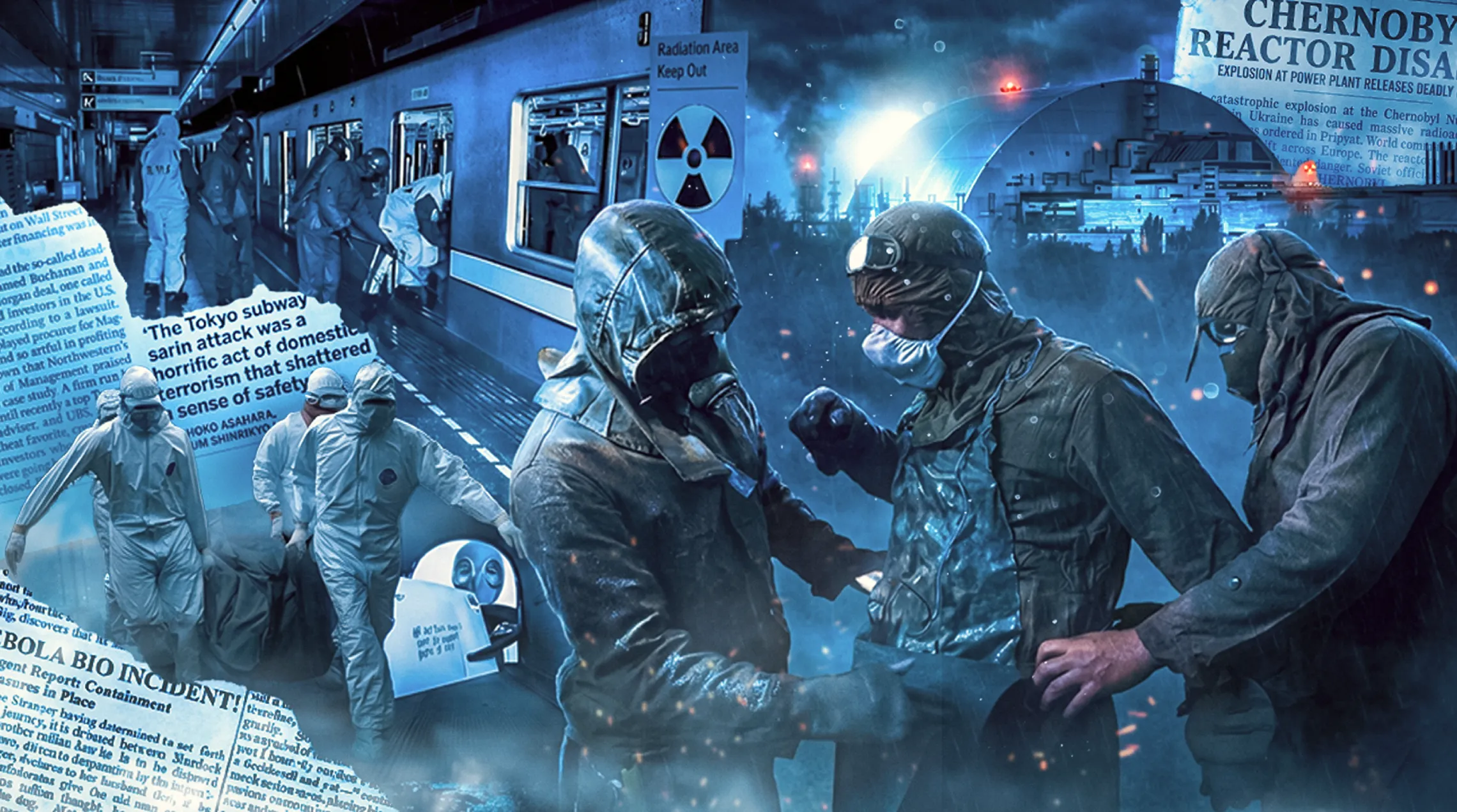
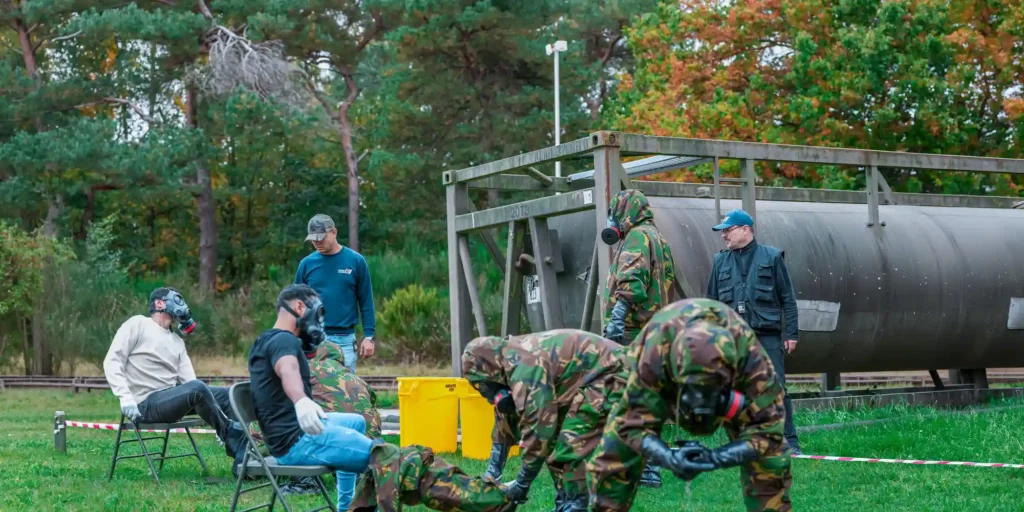
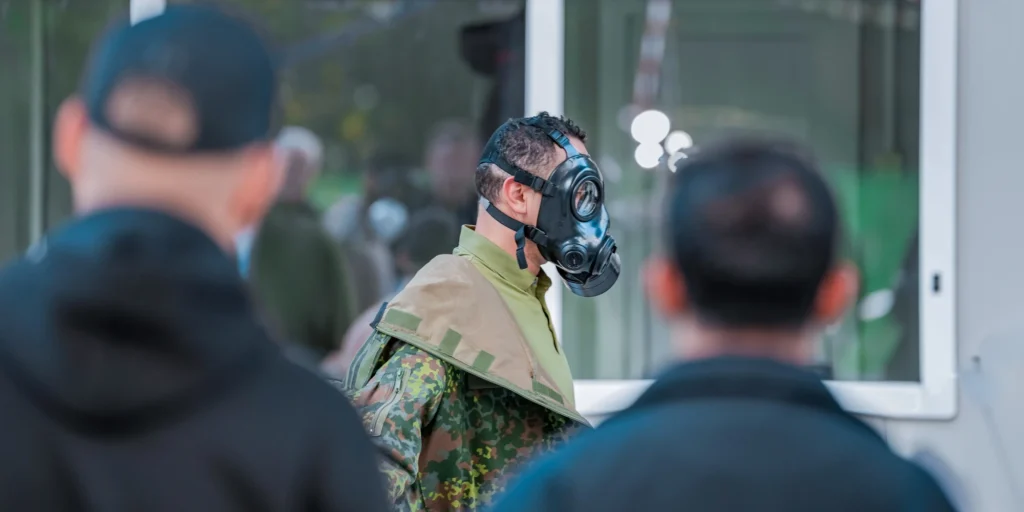
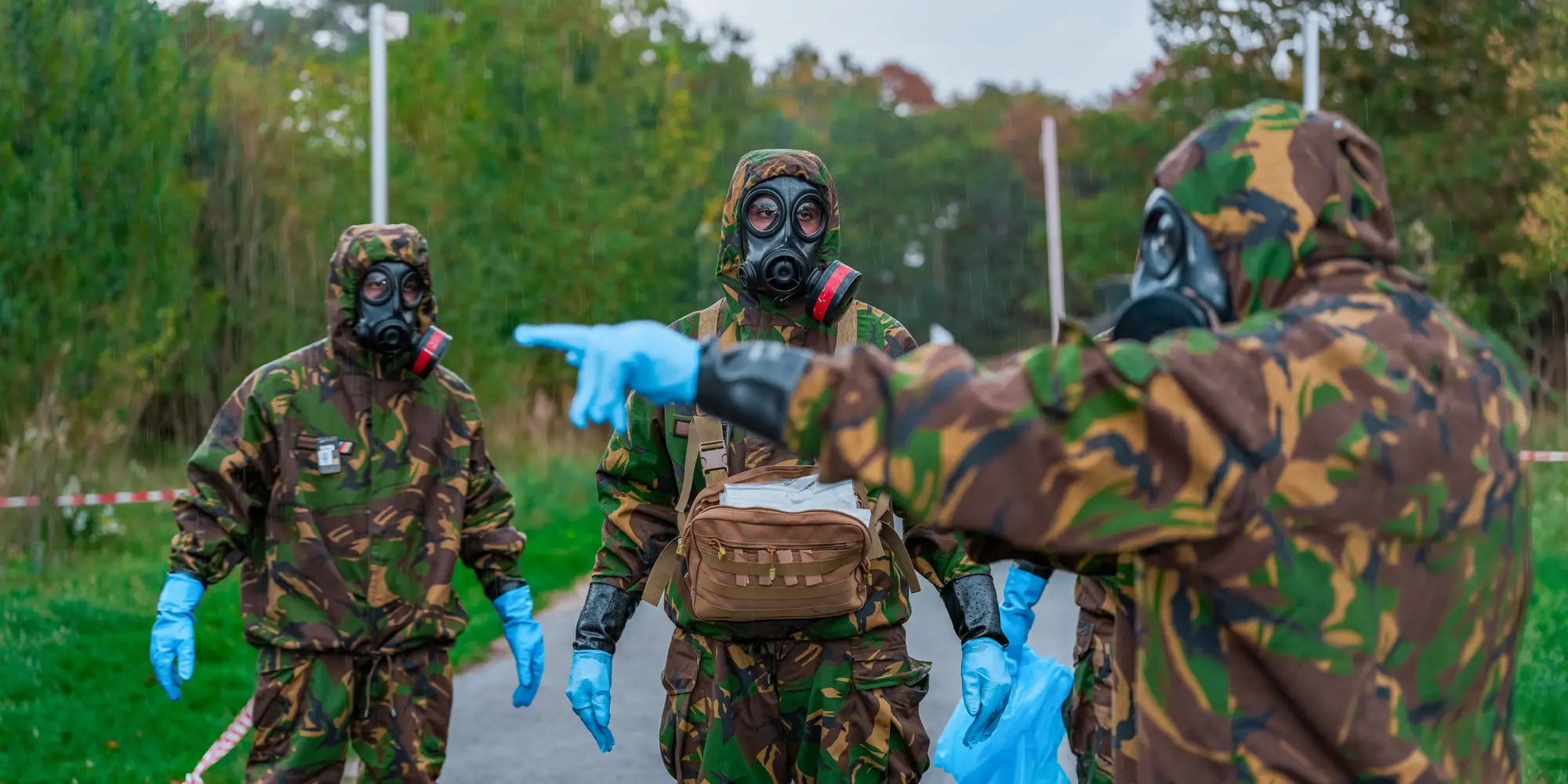
When catastrophic chemical, biological, radiological, or nuclear incidents occur, their impact extends far beyond the immediate event. Lives are disrupted. Systems are strained. Confidence is tested.

CBRN risks are not theoretical. They are documented realities that have shaped global policy, emergency response doctrine, and institutional accountability.

Why This Challenge Exists?

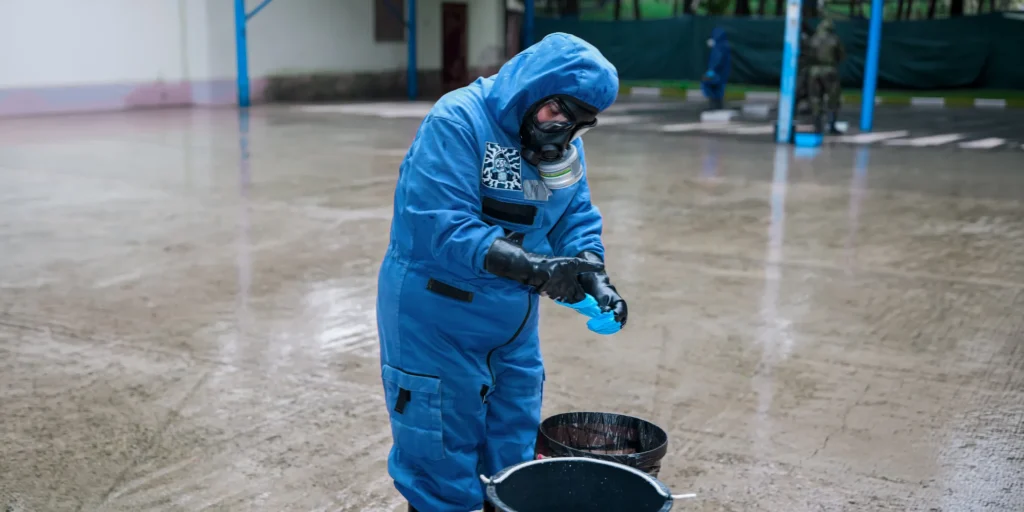
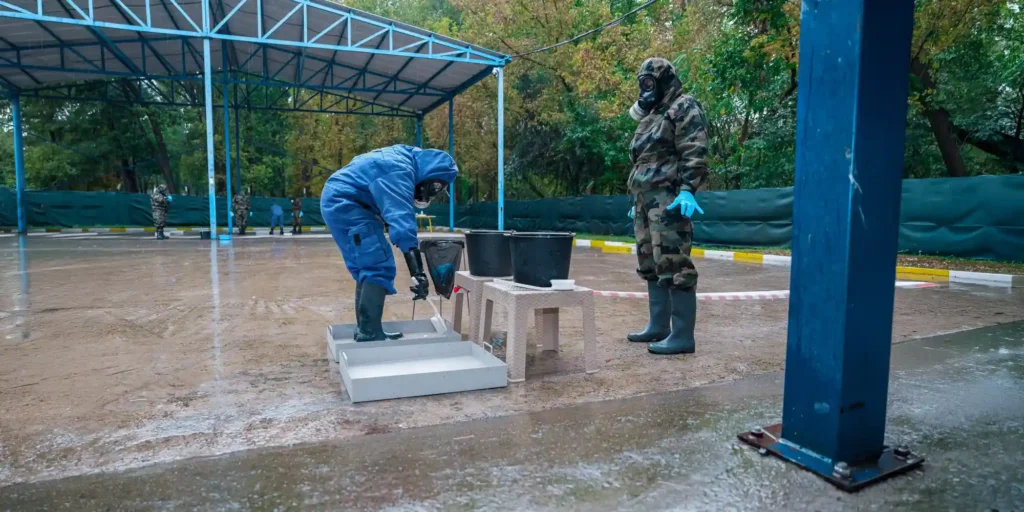
The global CBRN landscape continues to evolve Institutions responsible for public protection operate under continuous pressure to anticipate, prevent, respond, and recover often simultaneously.

The challenge is not only the threat itself. It is fragmented readiness.

Learn More

Historical CBRN Incidents

Lessons That Reshaped Preparedness

Timeline

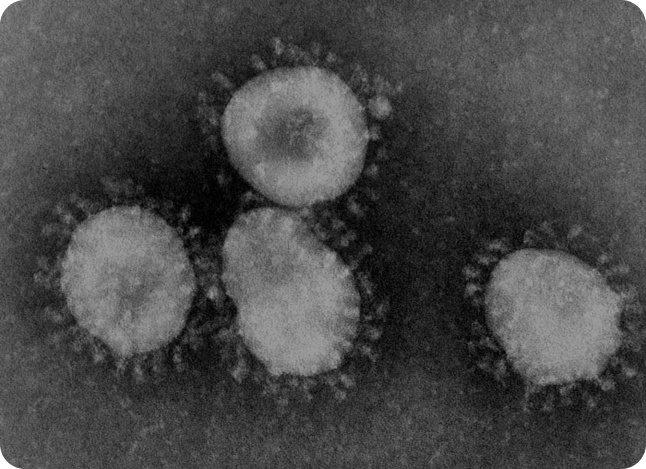
First identified (Wuhan, China)

WHO declares a Public Health Emergency of International Concern (PHEIC).

WHO declares a pandemic.

WHO ends the COVID-19 PHEIC status.

0M+
Confirmed cases reported to WHO.
0.9M+
Confirmed deaths reported to WHO.
0.6B+
learners out of school in 190+ countries at peak disruption.
0.9M+
Estimated excess deaths associated with COVID-19 (2020–2021)
0.3%
Decline in world merchandise trade volume in 2020.
0 .6%
Decline in world GDP (real, market exchange rates) in 2020.

Impact of Those Breakpoints

  • Care Breakdown

    Faster hospital overload and breakdown of critical care pathways.
  • Workforce Risk

    Higher exposure risk for healthcare workers due to early shortages.
  • Delayed Response

    Slower containment because decision-making lacked real-time visibility.
  • Service Disruption

    Greater disruption to essential services (non-COVID care, operations, logistics).
  • Communication Failure

    Increased public confusion & compliance fatigue under mixed messaging.
  • Capacity Inequality

    Wider inequality in outcomes between high- and low-capacity systems.

Lessons We Learned

Our Expert Commentary

COVID-19 proved that biological events are systems crises. Institutions that treat readiness as infrastructure—surge, supply, data, and coordination—protect more lives and recover faster.

Notice: Content is provided for educational and institutional awareness purposes only, based on publicly available sources. Images are either commercially licensed or properly attributed. For corrections or attribution requests, please contact us directly.

Timeline

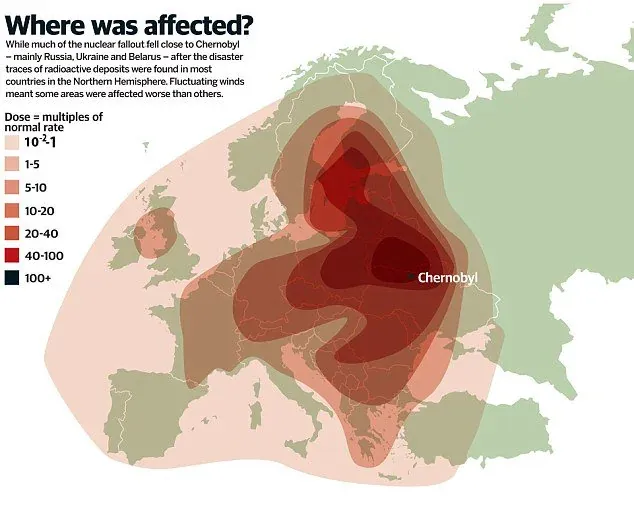
Reactor 4 explosion at Chernobyl Nuclear Power Plant (then Ukrainian SSR; now Ukraine).

Evacuation begins (Pripyat and surrounding area).

Emergency response and containment operations continue; ARS cases confirmed.

Long-term relocation and exclusion zone governance established and maintained.

0
people were evacuated in 1986 from surrounding areas (UNSCEAR).
0
people were relocated after 1986 (Belarus, Russia, Ukraine) (UNSCEAR).
0
workers were on-site in the early morning of 26 April 1986 (UNSCEAR summary).
0
people received high doses and developed radiation sickness/ARS.
0 KM
exclusion zone radius established around the plant (IAEA FAQ).
0 ARS
deaths occurred within the first three months.

Impact of Those Breakpoints

  • Mass Casualties

    Higher casualty burden due to proximity, density, and lack of prevention controls.
  • Healthcare Collapse

    Hospital overload while facilities were themselves damaged and constrained.
  • Mass Displacement

    Large-scale population displacement and widespread housing disruption across affected districts.
  • Logistics Shock

    Severe economic shock compounded by damage to a critical national logistics hub.
  • Erosion of Public Trust

    Long-term erosion of public trust and a deepening accountability crisis between citizens and institutions.
  • Prolonged Recovery

    Multi-year recovery requirements across infrastructure, governance, and social systems.

Lessons We Learned

Our Expert Commentary

Chernobyl shows that nuclear risk is not only technical—it is governance, discipline, and long-term recovery design. Readiness must outlast the incident by decades.
Sources: UNSCEAR Chernobyl summary page; IAEA Chernobyl FAQs; IAEA remediation report; World Nuclear Association overview.

Notice: Content is provided for educational and institutional awareness purposes only, based on publicly available sources. Images are either commercially licensed or properly attributed. For corrections or attribution requests, please contact us directly.

Timeline

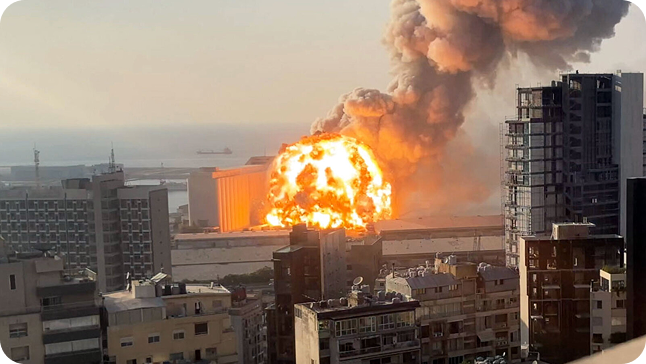
Explosion at Port of Beirut (Beirut, Lebanon).

Mass casualty surge while hospitals and infrastructure were damaged.

Rapid Damage and Needs Assessment initiated to quantify damages and losses.

Governance and hazardous-material storage scrutiny intensified nationally and internationally.

0+
people injured (reported).
0
people killed (reported).
0
people displaced (reported).
0.7 Tons
estimated ammonium nitrate involved.
$0 .2M
average estimated damages (World Bank RDNA).
$0 .2M
average estimated losses (World Bank RDNA).

Impact of Those Breakpoints

  • Mass Casualties

    Higher casualty burden due to proximity, density, and lack of prevention controls.
  • Healthcare Collapse

    Hospital overload while facilities were themselves damaged and constrained.
  • Mass Displacement

    Large-scale population displacement and widespread housing disruption across affected districts.
  • Logistics Shock

    Severe economic shock compounded by damage to a critical national logistics hub.
  • Erosion of Public Trust

    Long-term erosion of public trust and a deepening accountability crisis between citizens and institutions.
  • Prolonged Recovery

    Multi-year recovery requirements across infrastructure, governance, and social systems.

Lessons We Learned

Our Expert Commentary

Chernobyl shows that nuclear risk is not only technical—it is governance, discipline, and long-term recovery design. Readiness must outlast the incident by decades.
Sources: UNSCEAR Chernobyl summary page; IAEA Chernobyl FAQs; IAEA remediation report; World Nuclear Association overview.

Notice: Content is provided for educational and institutional awareness purposes only, based on publicly available sources. Images are either commercially licensed or properly attributed. For corrections or attribution requests, please contact us directly.

How Risk Can Be Minimized?

Across CBRN incidents, key patterns highlight challenges like the need for rapid detection, coordinated communication, and public preparedness. Delays and poor protection worsen impacts, emphasizing ongoing training and tech investment to reduce risks.

Book a Consultation

Experiences that speak for themselves

Real Results from Real Responders

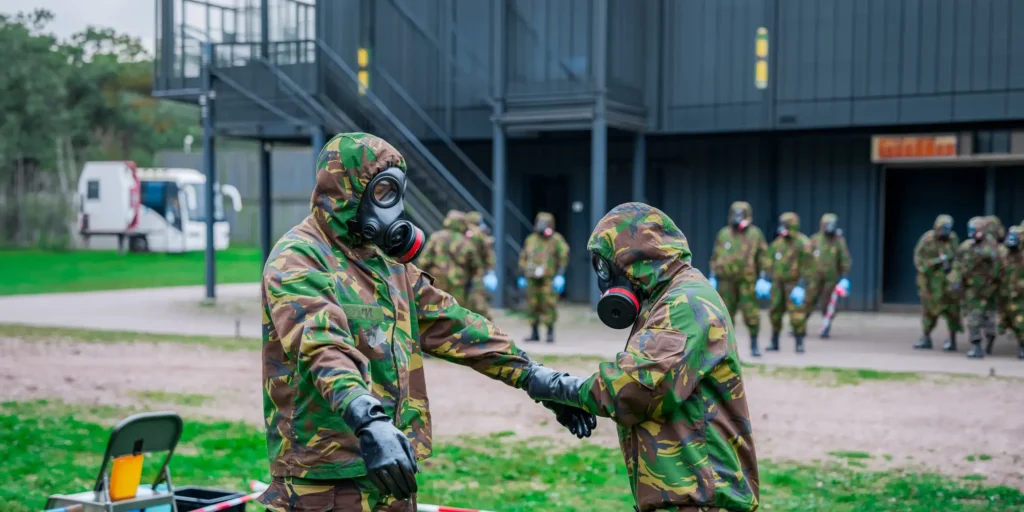
  • “The instructors brought genuine field experience into the classroom and the field exercises. Our responders left the programme with practical procedures they could immediately integrate into daily operations.”

    Training Director
    Emergency Response Agency
  • “The live-agent training environment provided a level of realism that traditional classroom courses cannot achieve. The programme strengthened both technical competence and multi-agency coordination.”

    CBRN Unit Leader
    National Security Organisation
    • 0+

      Responders Trained

    • 0+

      Operational Training Days

    • 0+

      Agencies & Institutions Trained

Global Network for a Safer World

Preparedness requires collaboration.
Through partnerships with academic institutions, operational experts, and strategic collaborators, we support a global ecosystem dedicated to structured readiness and responsible capability development.
No single entity manages CBRN risk alone.
Book a Consultation