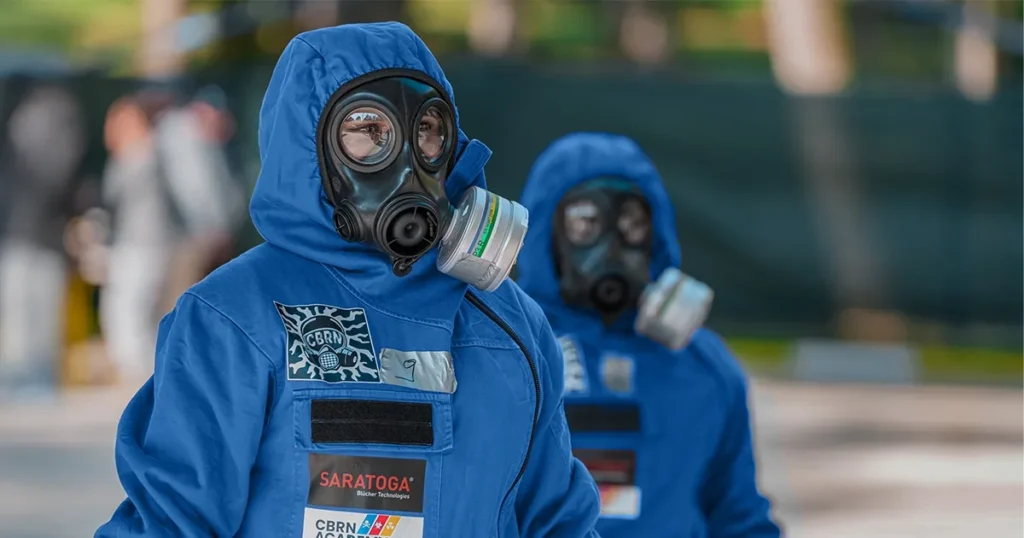
Breaking Barriers in Advanced CBRN Specialist Training
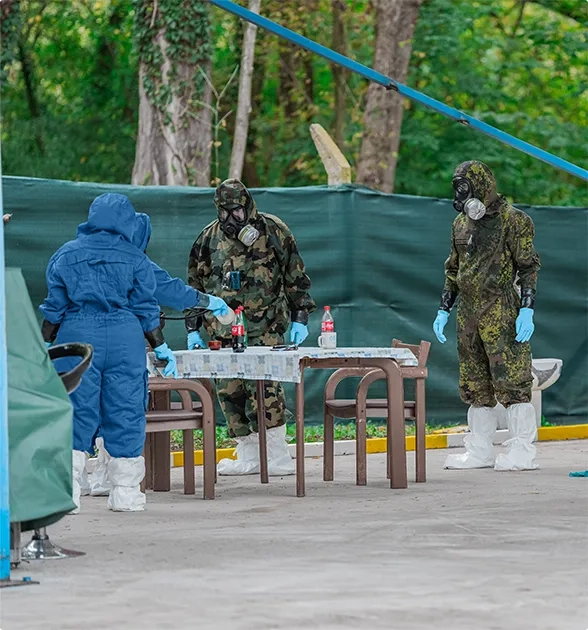
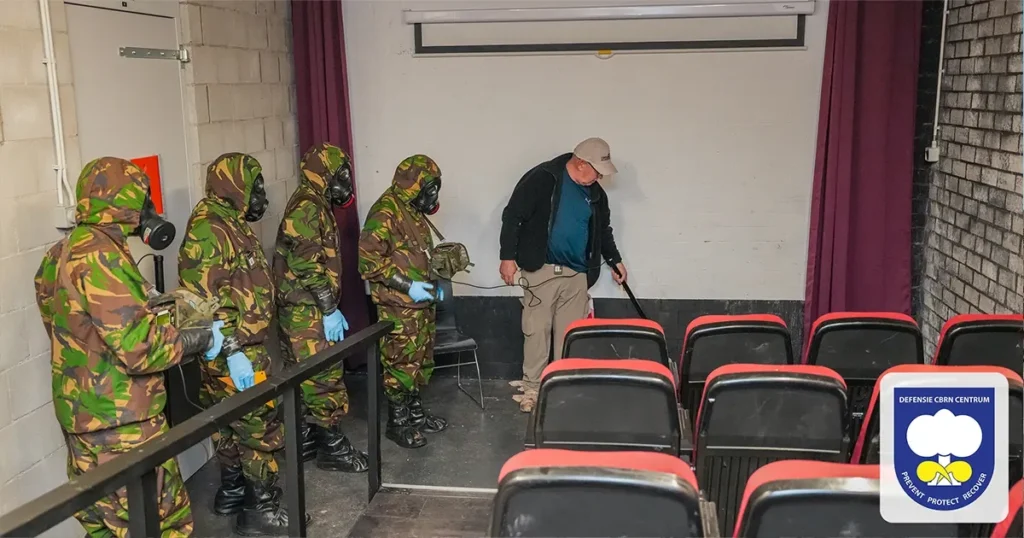
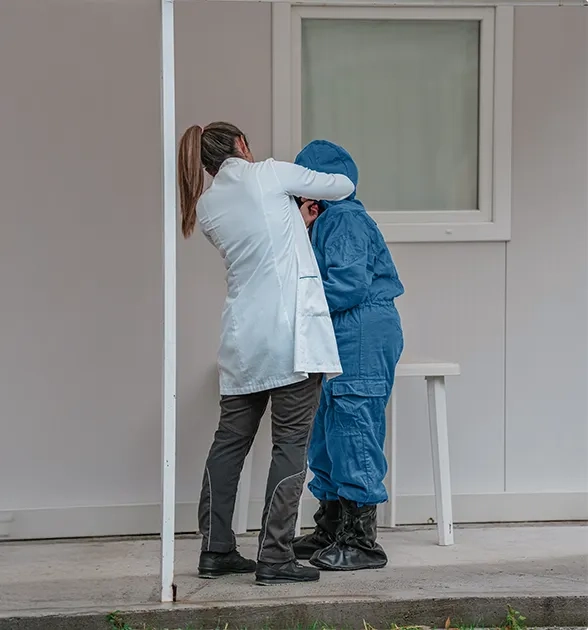
CBRN Academy has placed a deliberate focus on highlighting Arab women’s participation in advanced CBRN live-agent training, drawing attention to a meaningful development in specialist capability building within one of the most demanding training environments in the field. Live-agent training remains among the most technically rigorous and operationally relevant forms of CBRN instruction, requiring participants to operate in controlled environments involving real hazardous agents under strict regulatory supervision.
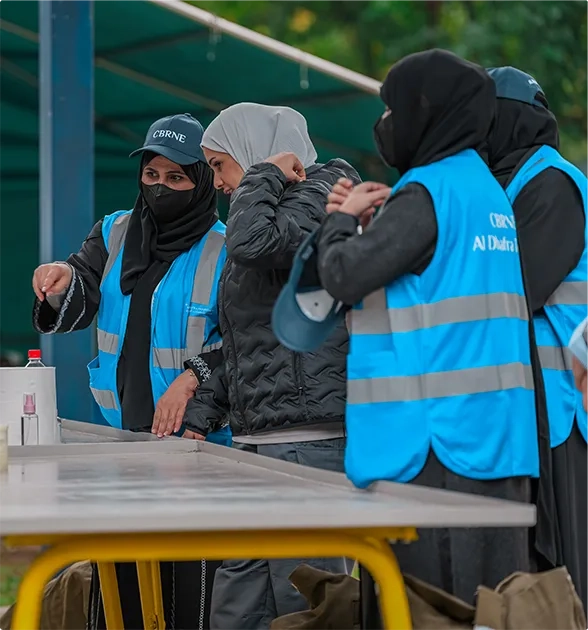
The training activity referenced in connection with Al Dhafra Hospitals reflects an emerging institutional trend: medical teams operating in high-consequence environments are increasingly required to build CBRN-specific competence, not merely general emergency preparedness. Al Dhafra Hospitals’ learning platform references a training ecosystem that leverages expertise from global leaders in CBRNe and medical training — a framing that signals an institutional commitment to specialist-level capability building rather than baseline compliance.
Within this context, Arab women’s participation in advanced CBRN live-agent training carries significance that extends beyond gender inclusion. It reflects the broader expansion of specialist CBRN competence into professional communities where such capability was previously concentrated in narrower institutional segments. This widening of the CBRNe specialist pool strengthens national readiness capacity and signals a maturation of CBRN awareness across professional domains that intersect directly with emergency response, healthcare, and operational security.
Building Inclusive Operational Readiness Across CBRN-Relevant Professions
The operational significance of women’s participation in advanced CBRN training is best understood through the lens of national and institutional readiness requirements. High-performing preparedness systems require deep coverage across multiple professional roles — medical, emergency response, civil protection, and technical specialist functions — and the exclusion of any segment of the available professional workforce from advanced training tracks represents a structural weakness in overall readiness architecture.
In the context of medical institutions operating in or adjacent to high-consequence environments, female medical professionals represent a critical segment of the healthcare workforce. When CBRN incidents occur — whether industrial, natural, or deliberate — hospitals, clinics, and emergency medical units must be capable of responding under contaminated conditions, managing CBRN-affected casualties, and maintaining operational function. The ability of female medical personnel to operate competently in live-agent environments directly supports that capability.
CBRN Academy’s commitment to highlighting and supporting this dimension of specialist training reflects a broader institutional position: that CBRNe readiness is most resilient when it is inclusive, systematic, and deeply embedded across the professional communities that will be called upon to respond when incidents occur. As national readiness standards evolve globally and the operational requirements of CBRN preparedness become more widely understood, advanced training participation at this level represents exactly the kind of capability investment that distinguishes prepared institutions from reactive ones.