Diagnose
Gap analysis, risk assessment, infrastructure audit

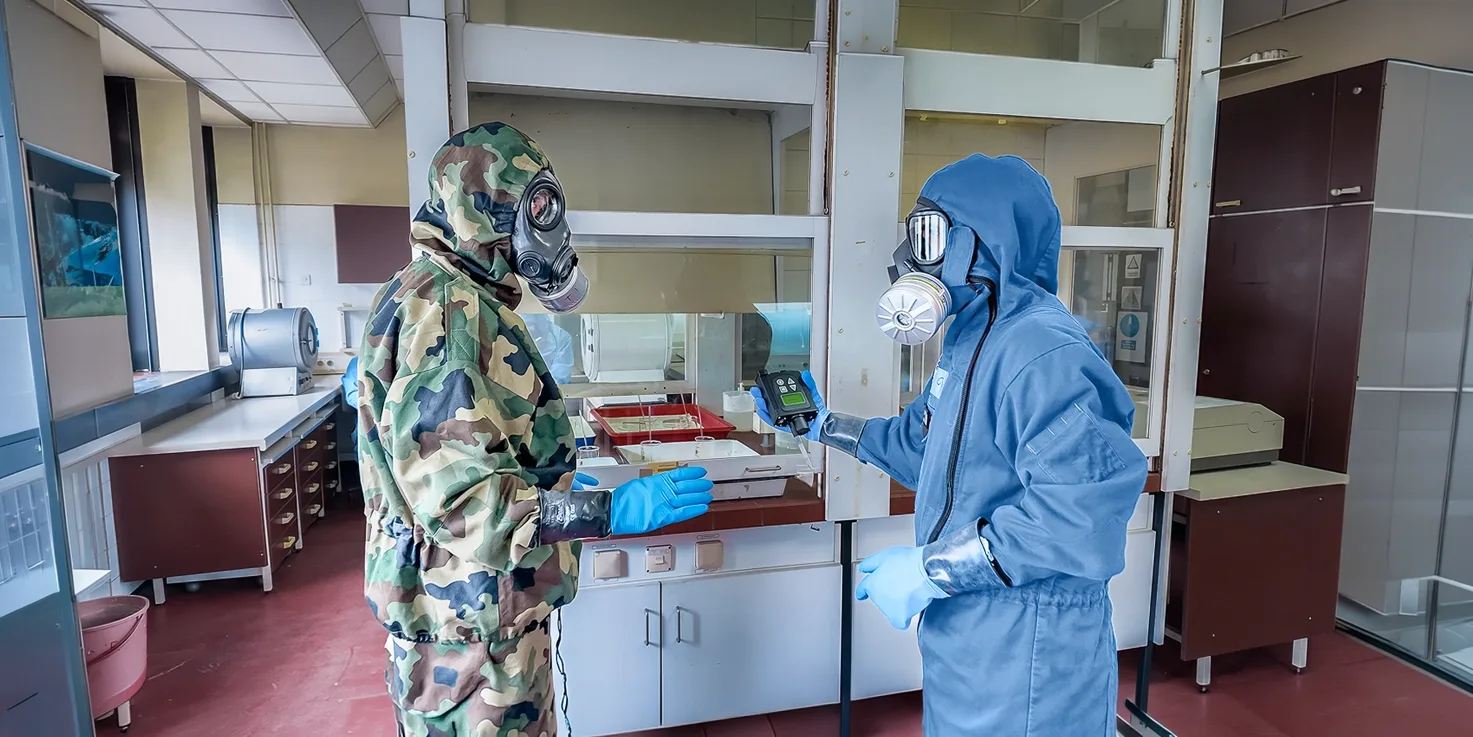
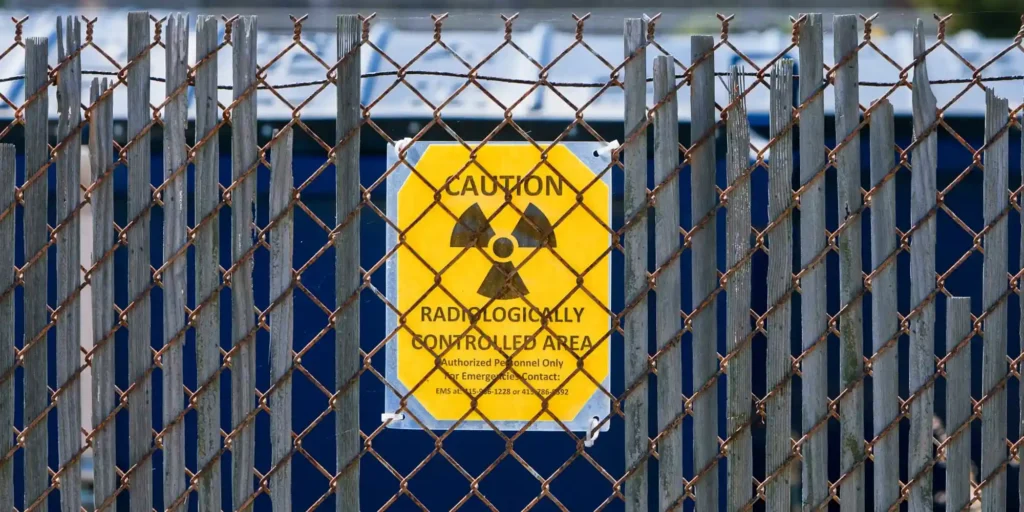
In industrial and critical infrastructure environments, a single procedural mistake, communication delay, or equipment failure can cascade into contamination, downtime, regulatory breach, or national-level impact. Most industrial sites rely on outdated SOPs, under-trained teams, and untested emergency workflows — making them vulnerable long before an incident occurs.
CBRN Academy helps organizations build resilient systems that prevent, respond to, and recover from chemical, radiological, biological, and toxic industrial events.
We help industrial operators, energy facilities, transport hubs, and critical infrastructure maintain readiness, regulatory compliance, operational resilience, and staff safety under CBRN and HAZMAT conditions.
CBRN units, specialised brigades, EOD and support elements
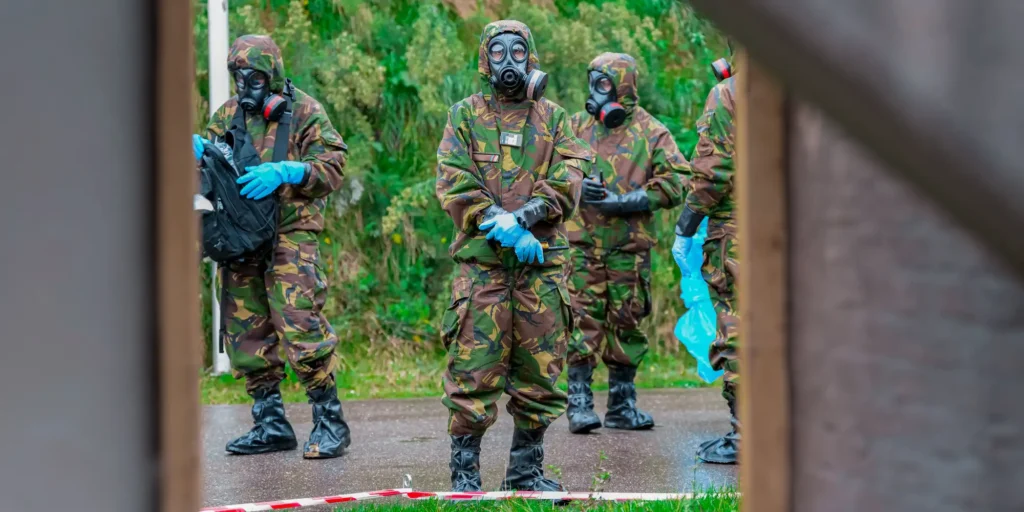
Fire & rescue, emergency management, municipal responders
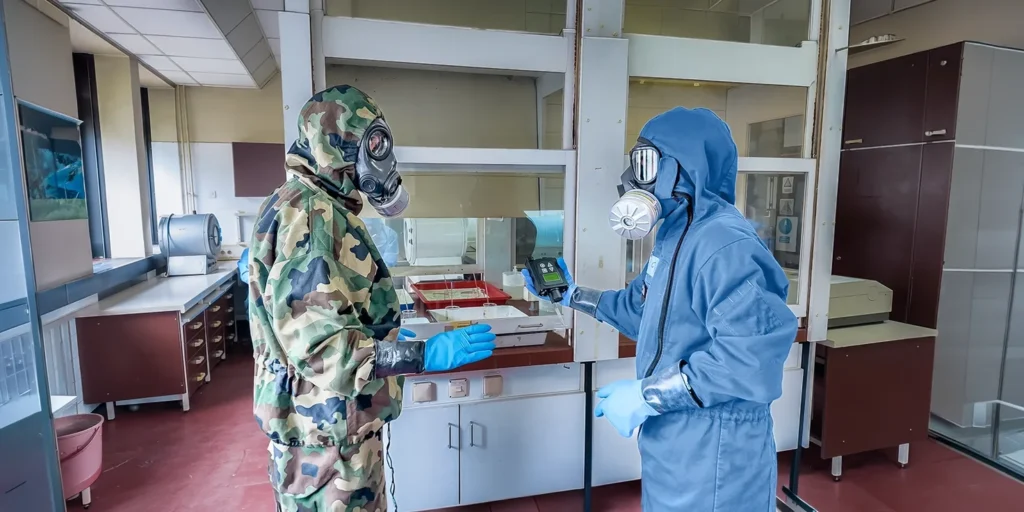
Police special units, tactical teams, national security branches
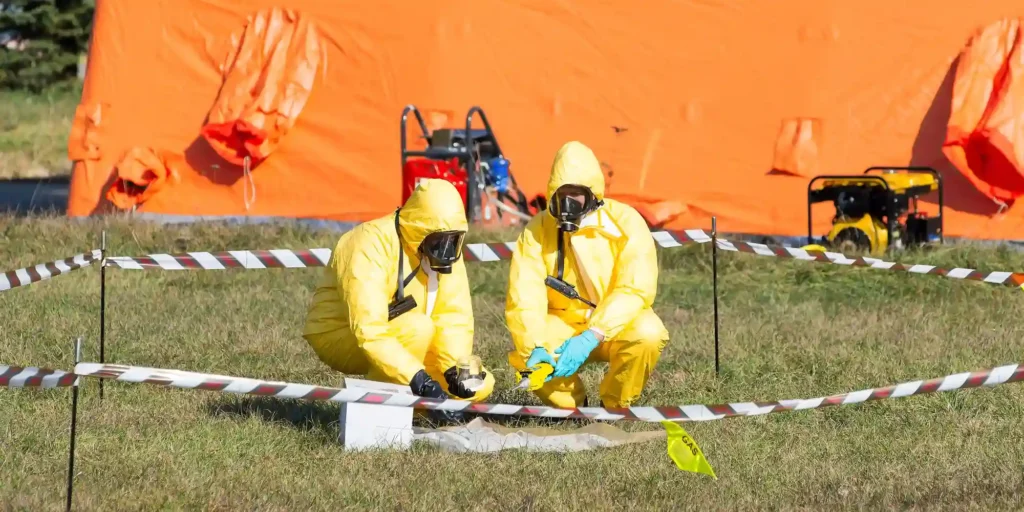
Customs, airport/port police, border guards, inspection units
Industrial leaders need reliable systems that prevent incidents, protect teams, maintain uptime, and meet regulatory expectations. During CBRN or toxic industrial events, the stakes include worker safety, environmental impact, financial loss, and national trust.
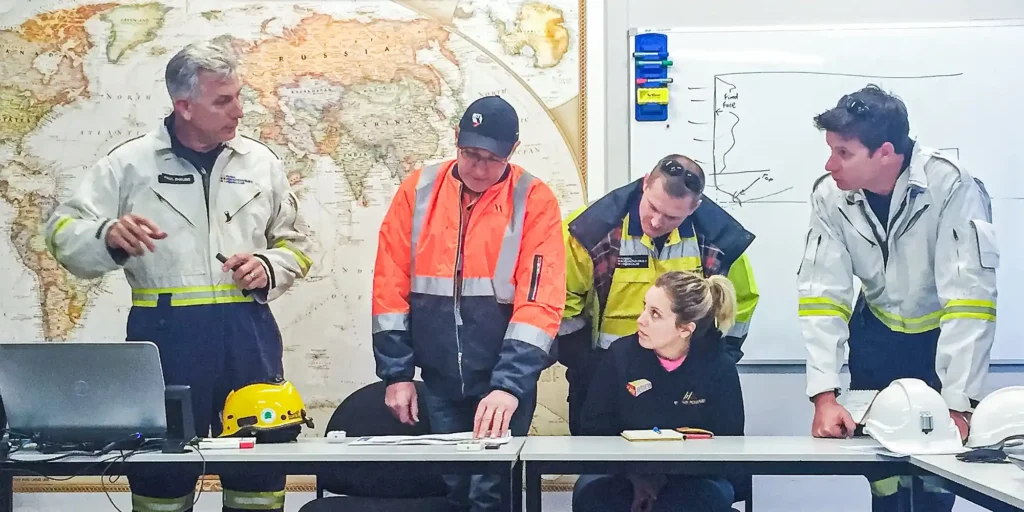
We guide organisations through a structured operational improvement journey — diagnosing vulnerabilities, designing fit-for-purpose procedures, training teams, and validating readiness through realistic drills and simulations.
Gap analysis, risk assessment, infrastructure audit

SOPs, workflows, emergency plans, equipment strategy

Training pathways, XR simulations, HAZMAT scenarios

Field drills, AAR, compliance checks
We provide practical, evidence-based solutions to help industrial and critical infrastructure organisations improve readiness, reduce operational vulnerability, and enhance workforce safety.
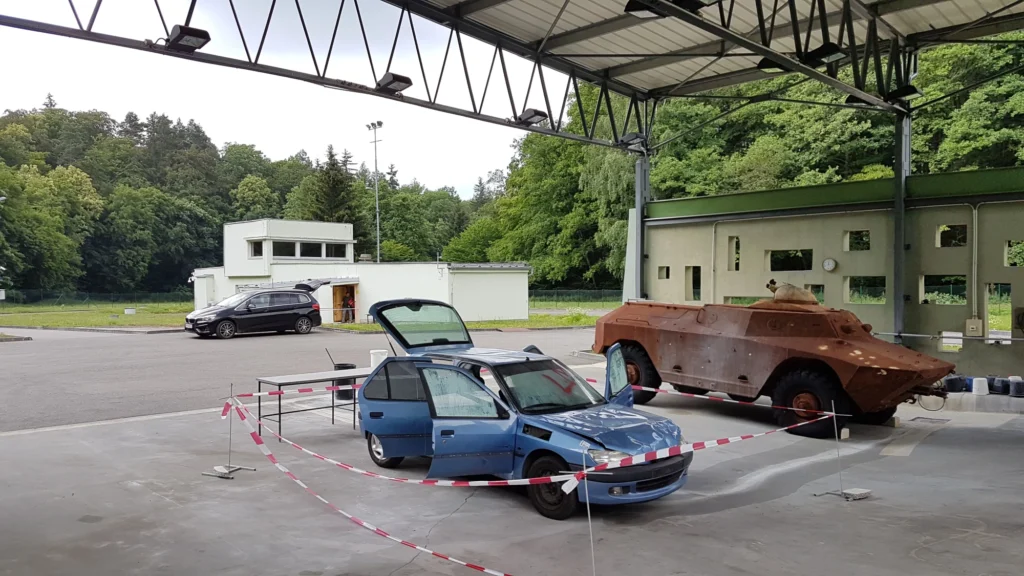
Our team has delivered industrial readiness programs for energy plants, petrochemical facilities, nuclear operators, and national transport networks across Europe, the Gulf, and Asia — reducing operational risk and strengthening emergency performance.